
In most schools, custodians are invisible until they’re needed.
When the trash is emptied, no one notices. The floors are clean, no one comments. When the lights work and the doors open, it’s just expected. But when something breaks or something floods, everyone knows exactly where to find him. That’s why he sees what others miss. He’s there early. He’s there late. He moves through the building when most people think they’re alone. He hears what’s said after meetings. He notices who treats people well and who doesn’t. He sees which leaders are the same in every room and which ones shift depending on who’s watching. For anyone seeking to understand effective school leadership, his perspective is invaluable.

Why your custodian could actually help fix your school culture
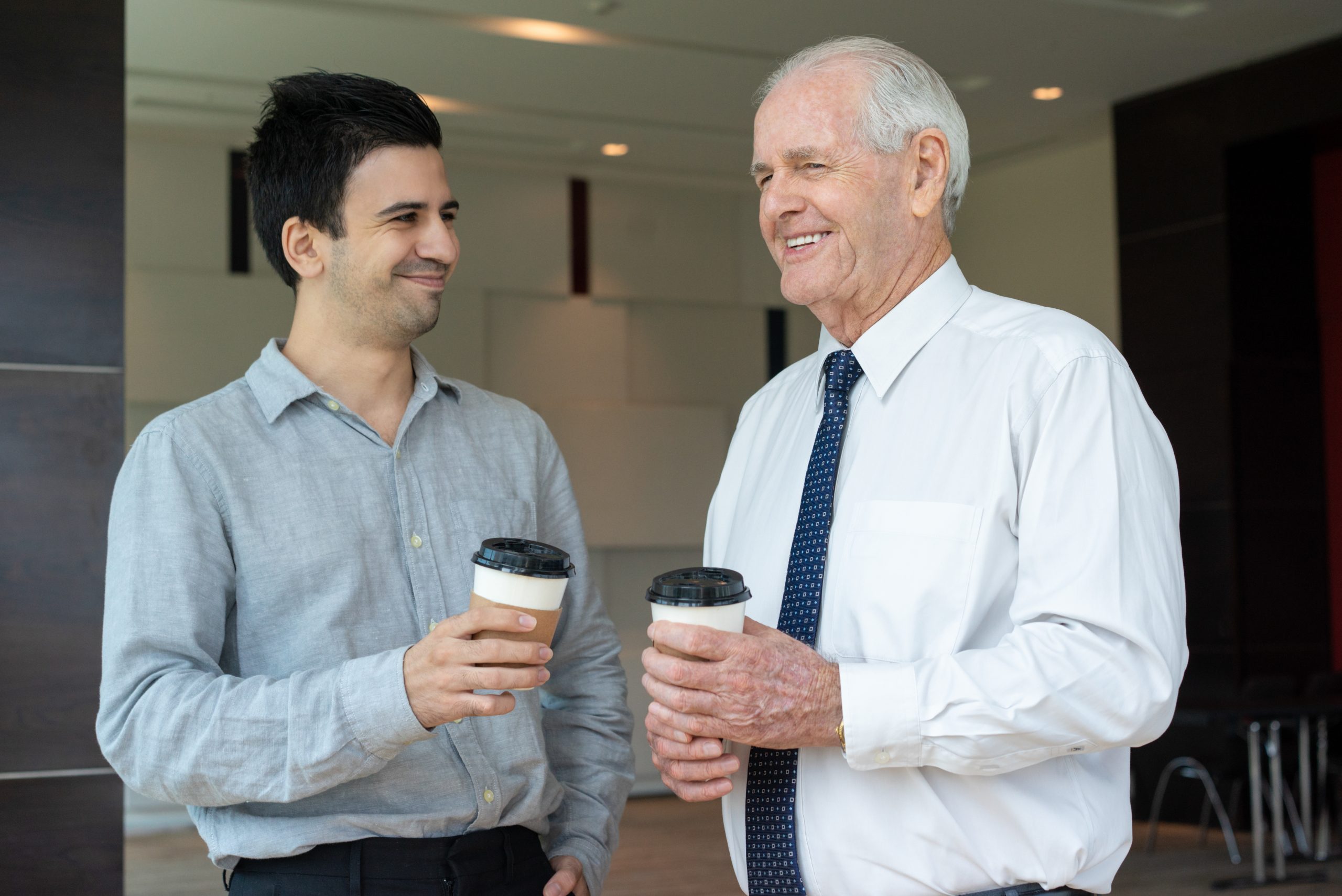
In this book, the custodian has watched principals come in confident and leave differently. He’s seen what holds a school together and what slowly weakens it. He’s watched these patterns play out again and again. The custodian and the principal have these conversations over coffee—early, before the building fills up.
It isn’t formal. It isn’t scheduled. They just happen to be there at the same time most mornings. The principal will talk through something she’s dealing with. Sometimes he’ll tell her he’s seen something like it before and explain how it usually unfolds. Sometimes he just listens. She realizes quickly she doesn’t have to give him the polished version. She can say what she’s actually thinking.
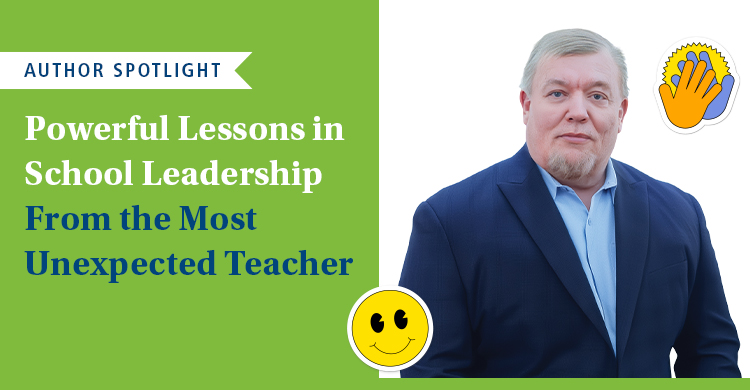
Check out our exclusive Q&A with best-selling author Dr. Brad Johnson
 Q: In the story, the custodian—often an unsung figure in a school building—becomes a primary mentor for the principal. What does this role reversal teach us about where true wisdom lives in a school, and how can leaders who feel the weight of their title humble themselves to find guidance in unexpected places?
There’s something about him that reminds her of her grandfather. Not in a sentimental way. Just the way he lets you finish a thought. The way he doesn’t rush to fix what you’re saying. The way he’s comfortable letting silence sit. That familiarity matters more than she expected. Custodian means guardian. He’s guarded that building for decades. He understands the place in a way that doesn’t show up on an organizational chart. The role reversal teaches something simple. Wisdom doesn’t only live in offices. When you’re invisible until you’re needed, you end up seeing everything.
And sometimes the clearest perspective in a building comes from the person who’s been quietly paying attention the longest.
Q: You’ve become a sought-after voice for educators globally. For those in our audience meeting you for the first time, can you share a bit about the personal experiences or ‘aha’ moments in your career that led you to focus so deeply on the relational side of school leadership?
I’ve never felt separate from teachers. Even after I moved into administration, I still saw myself as one of them. I knew what it felt like to drive home exhausted and still question whether I did enough that day. I knew what it felt like to care deeply about kids and feel like the system didn’t always see that.
So when I became a principal, I didn’t walk in feeling powerful. I walked in feeling responsible. If anything, I felt more accountable to my teachers than they were to me. They were carrying classrooms. I was supposed to make sure they had what they needed to do that well. That changed how I approached leadership.
I’ve always believed relationships are the base layer of everything that works in life. If there isn’t trust in a marriage, it doesn’t work. If there isn’t trust in a friendship, it fades. Leadership isn’t any different. You can have the best plan in the world, but if people don’t trust you, they won’t give you their best. And trust doesn’t come from position. It comes from people feeling seen, respected, and understood. That didn’t come from reading a theory book. It came from standing in the classroom, then in the office, and deciding I wasn’t going to forget what the classroom felt like.
Over the years, I kept noticing the same thing. When relationships were strong in a building, people could handle hard conversations and tough seasons. When trust was thin, even small decisions felt personal and divisive. That’s when it became clear to me that the relational side of leadership isn’t extra. It’s foundational. Everything else rests on it.
Q: You’ve spent over 20 years in education and are currently ranked #2 on the top Global Gurus in Education. Looking back at your own journey through the classroom and into school administration, what was the ‘coffee shop’ moment in your career that made you realize that relational intelligence is one of the most important tools in a leader’s kit?
For me, leadership never felt separate from teaching. When I was in the classroom, I paid attention to my students. I knew who was confident and who doubted themselves. I knew who needed structure and who needed encouragement. I knew who needed encouragement in private and who could handle a challenge in public. You can’t teach well if you don’t know the person sitting in front of you.
When I moved into administration, that didn’t change. The faces changed. The ages changed. But the principle didn’t. Teachers aren’t just employees, they’re people. They have lives outside of school, like responsibilities, pressures, private victories, and struggles. Some are raising families. Some are caring for parents. Some are living alone and trying to figure things out. Some are just trying to hold it together on a Tuesday.
They don’t stop being human when they walk through the front doors, and I never forgot that. When you remember that, you lead differently. You don’t reduce someone to a performance issue. You ask what’s going on. You notice changes. You check in. You understand that how someone is doing personally often shows up professionally.
The same instinct that helped me teach kids well helped me lead adults well. Relational intelligence wasn’t something I adopted later. It was already there. It was just teaching applied to a different group of people. When you see people clearly, you lead them better. It’s that simple.
Q: If an administrator or principal finishes the book and changes just one thing about how they show up in their building the very next day (perhaps using one transformational strategy) what would you hope that change is, and how does that single shift begin to leave the entire school community better than they found it?
If someone finishes the book and changes one thing the next day, I hope it’s this: Start paying attention to the small moments. Leadership doesn’t mostly happen in your office. It doesn’t live in the big meeting or the presentation. It shows up in the hallway between classes. In the classroom doorway. In the cafeteria, when you sit down for a few minutes, instead of hovering near the exit.
It’s in how you greet someone in the morning. Whether you stop when a teacher looks like they need a word. Whether you notice when someone who’s usually steady seems off. Most leaders think their influence shows up in formal settings. It doesn’t. It shows up in passing moments that most people overlook. So get out of the office more. Be in the hallways. Step into classrooms without an agenda. Sit in the cafeteria and just listen.
Stories that live on
And if someone seems to be struggling, take a few minutes to have a cup of coffee with them. Not to fix them. Not to evaluate them. Just to sit and listen. One of the reasons I wrote it as a story is that stories stay with you longer than strategies do. You might forget a framework. You won’t forget a conversation that felt real.
If the story motivates someone to stop and talk to a teacher who looks tired rather than pass them by, or to start a conversation in the cafeteria instead of looking for the nearest exit, then it’s done its job. It’s in the small moments where trust is built and leadership lives. And that’s how you leave people better than you found them.
About the educator
Brad Johnson, EdD, is a global educational leader, best-selling author, and keynote speaker. He empowers schools and leaders worldwide to prioritize relationships, culture, and trust, inspiring people-centered education and leadership.