
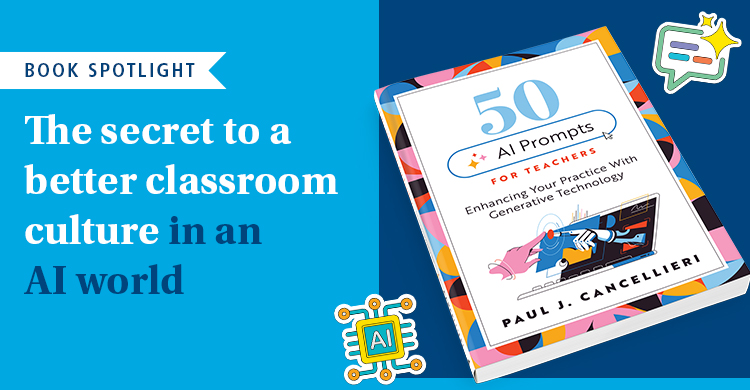
It starts with ethical AI use and student agency
In a world where generative AI tools are only a click away, educators face a powerful question: How do we help students use AI with integrity—not as a shortcut, but as a tool for learning? For me, the answer lies not in surveillance or software restrictions, but in something deeper and more sustainable: classroom culture.
That’s the idea behind The Learning Forge, a model I developed in response to both the promise and peril of AI in education. It is more than a set of rules; it is a mindset and a culture. This approach uses AI to build students’ intellectual strength and ethical habits simultaneously.
Let’s explore how this culture works, and more importantly, why it matters.
🔥Forging strength through productive struggle
[Productive struggle in the AI era is the process of allowing students to engage with difficult concepts independently before using technology to assist them.]
Think of a blacksmith’s forge: a place where raw materials are shaped by heat and pressure into something strong, useful, and beautiful. In the same way, The Learning Forge is a classroom where student thinking is shaped through effort, reflection, and the right tools at the right time—including AI.
At its core, The Learning Forge is about three things:
- Intentionality – Students use AI with purpose, not passively or automatically.
- Integrity – Learning comes first. AI supports it but never replaces it.
- Empowerment – Students become thoughtful decision-makers, not rule-followers.
This culture is built on five core principles:
- Struggle Builds Strength: Productive discomfort is part of deep learning.
- AI is a Tool, not a Crutch: It supports, but never substitutes, original thought.
- Timing Matters: The right help at the right time makes all the difference.
- Integrity First: Students reflect on their choices and own their learning.
- Craft Over Copy: We build, revise, critique, and improve—not just consume.
🧭 Navigating the spectrum of AI for teachers
To help students make ethical choices, I introduced The Learning Forge AI Use Spectrum, a simple but powerful tool that frames AI as a learning partner—sometimes helpful, sometimes not. It’s based on the AI Assessment Scale created by Leon Furze.
Using the AI Assessment Scale
We categorize AI use into four distinct zones to ensure academic honesty:
| Zone | Use Style | Purpose | Examples |
| ⚪️ White | Raw Effort | Build skills independently | Essays, tests, and reading practice |
| 🔵 Blue | Guided Thinking | Clarify or reflect after trying | Check a thesis, explain feedback |
| 🟢 Green | Co-Planning | Brainstorm or organize ideas | Outline ideas, suggest examples |
| 🔴 Red | Model + Remix | Analyze and revise AI output | Fact-checking, improving AI drafts |
By using the Spectrum, students learn to ask, “What kind of support do I need right now?” instead of just “Can I use AI?”

🧱 Practical strategies for a responsible AI culture
Creating a classroom culture that supports ethical AI use doesn’t happen by accident. It takes intention, consistency, and reflection. Here are some practical ways to build that culture:
- Normalize Productive Struggle
- Praise effort and revision more than just right answers.
- Use language like “Let’s forge through this” or “You’re strengthening your skills.”
- Share your own struggles and learning processes—including when you use AI thoughtfully.
- Model Transparent AI Use
- Show how you use AI tools to brainstorm, draft, and revise—but also when you choose not to use them.
- Talk openly about ethical dilemmas: “What if AI gives an answer, but I don’t really understand it?”
- Use the Spectrum for Reflection
- Ask students to identify what zone they’re in during an activity.
- Reflect afterward: “Did AI help you learn, or just finish faster?”
- Encourage journal prompts like: “When did AI help me grow today?”
- Establish Shared Norms
- Build a class discussion around AI norms early in the year.
- Let students help define what ethical use looks like in your subject.
- Revisit these norms after projects or assessments to reinforce the values.
- Design Assignments That Invite Craft
- Use multi-step tasks that reward revision and creativity, not just answers.
- Include AI critique as part of the process: “What did it miss?” or “How would you improve this?”
- Assess how students use tools, not just the final product.

🌱 Why classroom culture outlasts rules
You might wonder: Why not just block AI tools during assignments and call it a day?
The answer is simple: That’s not how the real world works. Our students are growing up in an AI-infused society, and they need more than rules—they need discernment. A classroom culture like The Learning Forge doesn’t just manage behavior. It nurtures habits of mind that prepare students for the ethical and intellectual challenges of adulthood.
By fostering this culture, we help students:
- Take ownership of their learning
- Make thoughtful, reflective choices
- Use technology to enhance—not replace—their thinking
- See learning as a craft, not a commodity
✨The students bring the spark
The Learning Forge mantra says it best:
“We forge knowledge with effort, not shortcuts.
AI helps us shape, but we bring the spark.”
Ethical AI use doesn’t start with rules; it starts with culture. And culture starts with us: teachers who believe in our students, trust their potential, and guide them with care.
When we build classrooms like forges, we don’t just prepare students to use AI responsibly—we prepare them to become thoughtful, empowered humans in a world that needs both.
Continue your AI journey 📚 Looking for more ways to innovate? Check out the reads
About the educator
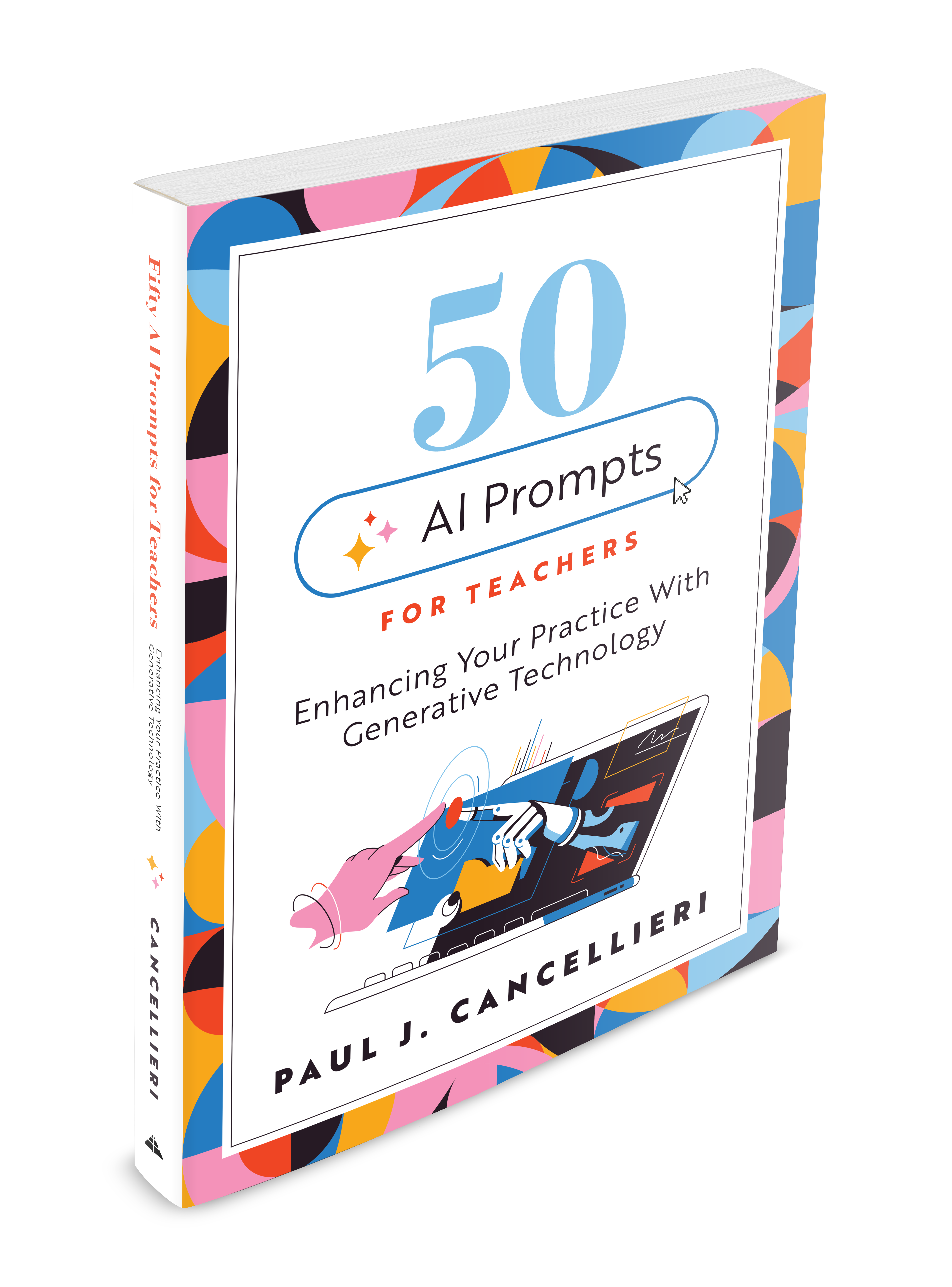
Paul Cancellieri is a science teacher in North Carolina with 23 years of experience both in the classroom and working with teachers to enhance learning with technology and research-based practices.