

 CAN
CAN  US/Global
Free Reproducibles
The Engaging ELA Classroom
Twenty-Five Essential Practices to Inspire Secondary Students
Equipped with 25 essential practices, educators can use this guide to reinvigorate their ELA classrooms. These strategies cultivate engagement and independent learning, helping students strengthen literary analysis of texts, pursue inquiries, and cultivate their voice as readers and writers.
Benefits
- Design classroom-ready, standards-based learning experiences that prioritize student relationships, belonging, and a supportive classroom community.
- Create opportunities for scaffolding and differentiation.
- Foster student independence through project-based learning.
- Deepen literary analysis skills through shared reading and collaboration.
- Help students explore their own questions and goals through inquiry-based learning.
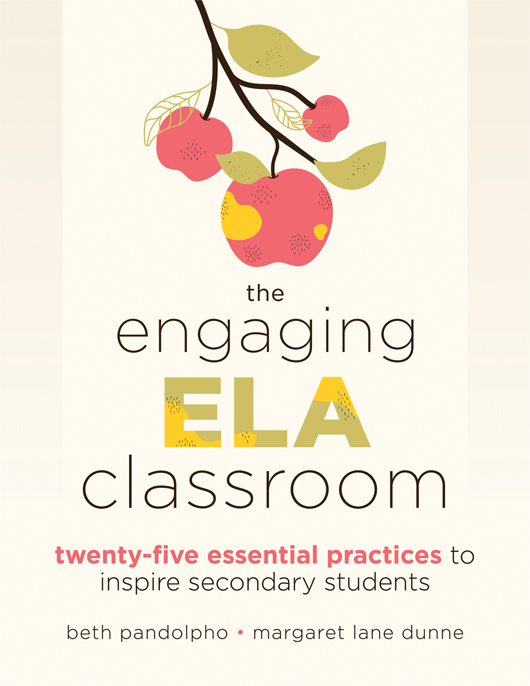
TABLE OF CONTENTS
Chapter 1: Building the Foundation for an Engaging Classroom
Chapter 2: Engaging Students With Assigned Texts
Chapter 3: Engaging Students in Independent Book Clubs
Chapter 4: Engaging Students in Literary Analysis
Chapter 5: Engaging Students in Finding Their Voice
Appendix A: Glossary of Instructional Strategies for Engagement
Appendix B: Standards Alignment by Essential Practice
PRINTABLE REPRODUCIBLES
Introduction
Chapter 1: Building the Foundation for an Engaging Classroom
- Figure 1.1: Create Your Name Card
- Figure 1.2: Creating a Cultural Identity Map
- Figure 1.3: Cultural Identity Map—Exemplar
- Figure 1.6: How to Create a Commencement Speech Blackout Poem
- Figure 1.7: Engaging in Self-Assessment
Chapter 2: Engaging Students With Assigned Texts
- Figure 2.1: Brainstorming the Identity Map
- Figure 2.2: Exemplar Identity Map
- Figure 2.3: Creating an Annotation System of Your Own
- Figure 2.4: Collaborative Annotation Protocol
- Figure 2.6: My Seminar Discussion Points
- Figure 2.7: Outer Circle PRQC Form
- Figure 2.9: Reading With Critical Lenses
- Figure 2.10: Classic Texts and Popular Media Reimagined
- Figure 2.11: Reimagining Texts to Convey New Insights
- Figure 2.12: Rubric for Reimagined Text
Chapter 3: Engaging Students in Independent Book Clubs
- Figure 3.3: Reading Response Log
- Figure 3.4: Personal Reading Plan
- Figure 3.6: Directions for Creating a Visible Analysis and a Museum Labe
- Figure 3.8: Single-Point Rubric Example—Museum Label
- Figure 3.9: Card for Book Club Meetings
- Figure 3.10: Book Club Conversation Accountability Log
- Figure 3.11: Four Corners Discussion Survey
- Figure 3.12: Four Corners Discussion Reflective Questions
Chapter 4: Engaging Students in Literary Analysis
- Making the Analytical Process Visible
- Summary or Analysis—Mirror or Microscope
- Figure 4.6: Student Directions for Implementing the Question
- Question Formulation Technique Exit Ticket
- Figure 4.8: Student Directions for Creating and Evaluating a Claim
- Figure 4.9: EPIC Exit Ticket
- Figure 4.10: Sketching Out Your Literary Microanalysis
- Figure 4.12: Literary Microanalysis Peer Feedback Chart
- Figure 4.13: Single-Point Rubric for Literary Microanalysis
Chapter 5: Engaging Students in Finding Their Voice
- Figure 5.2: I’m Glad You’re Here This Evening
- Figure 5.4: Speaking Continuum of Development
- Figure 5.5: Pass the Mic
- Figure 5.6: Sample Excerpts From Calypso in The Odyssey
- Figure 5.7: Pass the Mic Rubric
- Figure 5.8: Community Experience Analysis
- Figure 5.9: Single-Point Rubric for Autoethnographic-Inspired Personal Narrative
- Figure 5.10: Student Example of Researcher’s Field Journal
- Figure 5.11: Listen to Your Inner Voice
- Figure 5.12: Sample Experts
- Figure 5.13: Listen to Your Inner Voice Slide Presentation Requirements
- Figure 5.14: Single-Point Rubric for Listen to Your Inner Voice Presentation
- Figure 5.15: Use Your Voice to Advocate for Change Prompts
- Figure 5.16: Digging Deeper—Use Your Voice to Advocate for Change
- Figure 5.18: Advocate for Change—What Is Your Superpower?
- Figure 5.20: Single-Point Rubric for Using Your Voice to Advocate for Change
- Figure 5.21: Using Your Voice to Advocate for Change Reflection Questions
- Sketching Out a Literary Microanalysis
- Teacher Directions—Shared Reading of “Between Us: A Reckoning With My Mother” by Jason Reynolds
SUGGESTED RESOURCES
Books
- Pandolpho, B., & Cubano, K. (2023). Choose your own master class: Urgent ideas to invigorate your professional learning. Solution Tree Press.
- Porosoff, L., & Weinstein, J. (2017). EMPOWER your students: Tools to inspire a meaningful school experience, grades 6–12. Solution Tree Press.
Websites
Introduction
Chapter 1
Chapter 2
Chapter 3
- Modern Mrs. Darcy, What Should I Read Next?
- Moving Writers, Using Two-Pagers to Fuel Analytical Writing
- Penny Kittle, Notebook Work
Chapter 5
Reproducibles


