
 CAN
CAN  US/Global
Evidence of Excellence
Southwestern Central School District
Jamestown, New York
Collaboration boosts ELA proficiency by 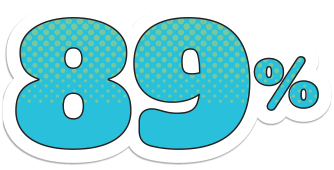
Demographics
1,363 STUDENTS / 44% FREE OR REDUCED LUNCH / 1% ENGLISH LEARNERS / 16.5% SPECIAL NEEDS
85% WHITE / 7% HISPANIC OR LATINO / 6% MULTIRACIAL / 2% ASIAN OR FILIPINO / 2% NATIVE HAWAIIAN OR PACIFIC ISLANDER / 0.3% AMERICAN INDIAN OR ALASKA NATIVE / 0.3% BLACK
Southwestern Central School District's Challenge
Southwestern Central School District (SWCSD) in New York was a well-respected district, known for achieving many accolades. They had been a sought-after school system but faced challenges in the years following the pandemic, when student proficiency in some grade levels and subjects fell below 50%. Teachers were working hard, but often felt like they were spinning their wheels because collaboration was limited and inconsistent. In fact, most of the work labeled as collaboration focused on scheduling or activities rather than improving instruction.
Specifically, the district struggled with both understanding and implementing intervention systems and recruiting and retaining teachers at the building level. Superintendent Molly Moore and Kaitlin Ring, director of instructional services, wanted a clear plan to strengthen both student learning and the culture of professional collaboration.
Implementation
Southwestern began its journey to strengthen collaboration and academic outcomes by joining the New York Professional Learning Communities (PLC) at Work® Cohort in the summer of 2023. The district formed a guiding coalition to help establish the vision and set a model for effective collaboration throughout each grade level.
During the 2023–2024 school year, the district launched its first book study on the fourth edition of Learning by Doing: A Handbook for Professional Learning Communities at Work® by Richard DuFour, Rebecca DuFour, Robert Eaker, Thomas W. Many, Mike Mattos, and Anthony Muhammad. They also began using Global PD Teams, an online team learning platform, as a resource to support teacher teams developing shared PLC at Work skills and knowledge.
Teachers participated in collaborative meetings that used structured norms and focused on the four critical questions of a PLC at Work:
- What is it we expect our students to learn?
- How will we know when they have learned it?
- How will we respond when some students do not learn?
- How will we respond when some students already know it?
The district also attended the PLC at Work Institute in Rochester, New York, providing teachers with real-world examples and strategies to improve instruction.
In the 2024–2025 school year, Southwestern CSD expanded its professional development with resources like The 15-Day Challenge, by Maria Nielsen; the second edition of Common Formative Assessment, by Kim Bailey and Chris Jakicic; and The Big Book of Tools for Collaborative Teams in a PLC at Work®, by William M. Ferritter. Staff attended a two-day interactive workshop on response to intervention (RTI) with associate Mike Mattos, which helped clarify how Tier 1, 2, and 3 supports could work together. Leaders then redesigned their schedules to include daily intervention blocks for all students.
By 2025–2026, the district had added Grading from the Inside Out, by Tom Schimmer, to its resources and continued to use Global PD Teams. Teachers were now consistently planning together, analyzing data, and adjusting instruction, creating a culture of collaboration and continuous improvement districtwide.
|
Learning by Doing book study |
|
Global PD Teams |
|
PLC at Work® Institute in Rochester, New York |
|
The 15-Day Challenge, Common Formative Assessment, and The Big Book of Tools for Collaborative Teams in a PLC at Work® book studies |
|
RTI at Work™ PD with Mike Mattos |
|
Grading from the Inside Out book study |
Teachers are collaborating in ways we’ve never seen before, and it’s transforming instruction for every student. [Implementing PLC at Work districtwide] has given our staff the tools and support to make learning meaningful and measurable.
MOLLY MOORE / SUPERINTENDENT
Results
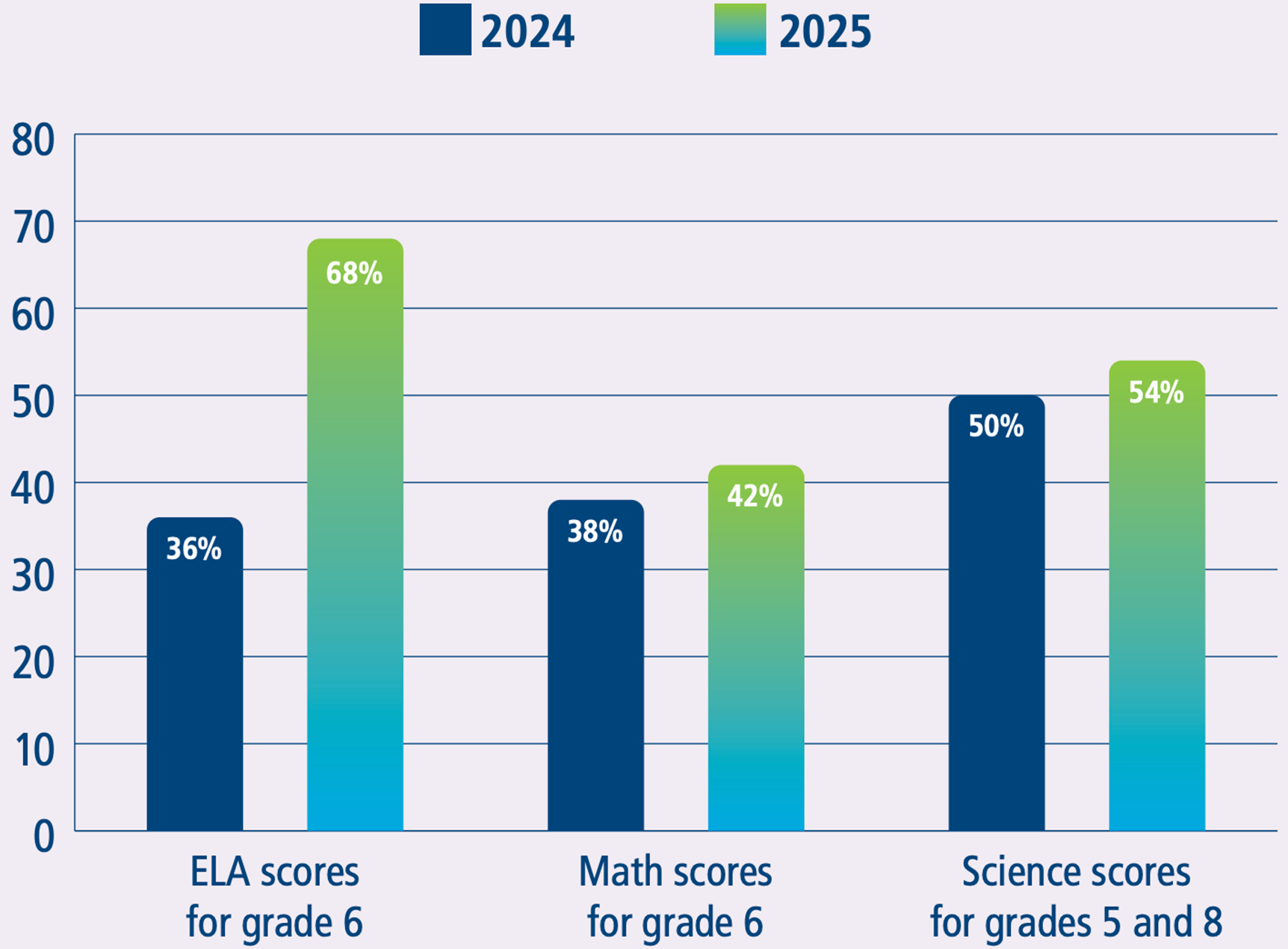
Since implementing PLC at Work and RTI at Work™, Southwestern Central School District has seen measurable improvements in student proficiency and instructional practices from the 2023−2024 school year to the 2024−2025 school year:
- ELA scores for sixth graders rose from 36% to 68%, outpacing the state average in 2024–2025 by 33%.
- Math scores for sixth graders increased 10.5%, rising from 38% to 42% in one year.
- Science scores for grades 5 and 8 boosted from 50% to 54%.
Teachers at Southwestern CSD now collaborate consistently, analyze data together, and implement tiered RTI supports. Intervention blocks and common planning time have strengthened instruction, allowing the district to focus on skill-based support for every student. This shift has built a culture of continuous improvement districtwide and set a strong foundation for future gains in math proficiency.
SOUTHWESTERN CENTRAL SHOOL DISTRICT PROFICIENCY RATES
WHY PLC AT WORK®?
 Strengthen professional learning communities to achieve lasting school improvement with PLC at Work®. This research-backed approach empowers educators to collaborate effectively, focus on what matters most, and improve student outcomes. By working together and making data-informed decisions, schools can deliver meaningful gains for every student.
Ready to create your own success story?
Please note that all Evidence of Excellence stories, data, and personnel reflect the specific period of Solution Tree’s active partnership with the school or district. Staffing and leadership roles may have changed since publication.


