

 CAN
CAN  US/Global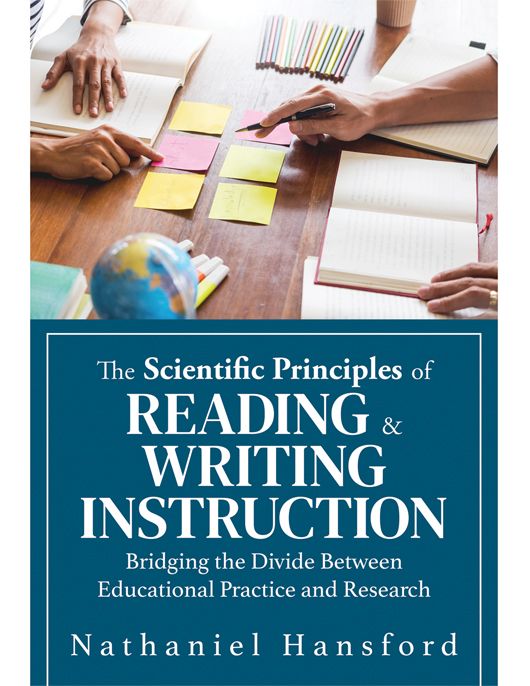
The Scientific Principles of Reading and Writing Instruction
Bridging the Divide Between Educational Practice and Research
Offering a neutral analysis of educational research, author Nathaniel Hansford provides a crash course on the science behind reading and writing instruction. This book empowers teachers to confidently make evidence-informed instructional decisions.
Experience the convenience of eBooks! Access your eBooks anytime, anywhere on any desktop, Android, or iOS device through VitalSource. eBook purchases are limited to one eBook per title, per account. Please visit our FAQ for more information.
Evidence-based strategies for reading and writing instruction
Literacy instruction is a vast and ever-changing field. Distilling decades of research on reading and writing into an expedient and practical guide, educator and author Nathaniel Hansford provides an indispensable resource for educators who want to understand the science behind literacy and empower their own teaching. Gain a reliable, objective, and evidence-based overview of what’s truly effective for improving student literacy outcomes.
K–12 teachers and administrators can use this book to:
- Learn how to interpret, parse, and better engage with educational research
- Review and examine comprehensive summaries of pivotal research on literacy instruction
- Understand the evolution of continuing historical debates on effective literacy instruction
- Examine meta-analyses to critically evaluate popular teaching methods
- Evaluate the effectiveness of the most common literacy teaching methods
Related Topics
Brain-Compatible LearningInstructionLiteracy
Additional Information
“In The Scientific Principles of Reading and Writing Instruction, Nathaniel Hansford teaches educators to embrace research over opinion. He breaks up key terms and goes deep into how to interpret and understand research—an area often overwhelming for educators in the classroom. He leaves no stone unturned, diving deeply into phonemic awareness, sound walls, high-frequency words, spelling, handwriting, the real differences between leveled texts and decodables, and so much more. He is also willing to tell uncomfortable truths when the research supports them. This is a brilliant, practical resource that actually helps educators do the work—a literacy masterpiece!”
“The Scientific Principles of Reading and Writing Instruction is a confident but measured guide for any literacy teacher wanting the evidence laid out without shortcuts or obscurity. Hansford pulls the full research picture into view, tackling how reading and writing can be best taught, why the evidence points where it does (including the many gaps), and how to interpret studies with discernment. It’s a rare book that deepens your expertise and sharpens your judgement!”
“It is far too easy for well-intentioned educators to get lost in a single study or misinterpret a complex effect size. In The Scientific Principles of Reading and Writing Instruction, Nathaniel Hansford provides the guardrails, signposts, and running lights we’ve been looking for. He not only provides a map; he equips educators with tools to determine for themselves which paths are truly evidence-based. Drawing on his unique perspective as both teacher and researcher, Hansford writes with a clarity that is as refreshing as it is necessary.”
“I have long been an avid follower of Nathaniel Hansford’s work, watching him move in and out of big, often tricky ideas—and I am consistently impressed by the humility with which he tests his instincts against the evidence. In The Scientific Principles of Reading and Writing Instruction, the author equips educators to understand research, not just receive conclusions, and brings reading and writing into the same instructional frame, arguing that their synergy deserves more attention as a lever for literacy improvement. If you want a readable, practitioner-oriented guide that turns evidence into better day-to-day instruction, this is the book to keep within arm’s reach.”
“Written for teachers by a teacher, The Scientific Principles of Reading and Writing Instruction uses plain language to help teachers think about evidence, separate facts from fads, and judge whether instructional practices are evidence-based. Drawing on meta-analytic data about effective literacy instruction, Hansford gives clear guidance on when and how to teach specific skills and what this means for classroom practice.”
When can I access my eBook? Your eBook will be accessible through VitalSource once your payment has been processed.*
*When using a check or purchase order, the order submitted online will not be processed until Solution Tree receives the check or a copy of the signed official purchase order. Your purchase order must note payment terms of net 30 days. We cannot process purchase orders that do not note these payment terms. Please submit all payments to [email protected].
How do I access my eBook?
To access your eBook:
- Create a free VitalSource account by visiting VitalSource.com. If you already have a VitalSource account, please log in to your account.
- Paste the redemption code that Solution Tree will email you in the “Redemption Code” field on VitalSource.com/Redeem. (Note: You can also access your redemption code within your Solution Tree account under the “eBook” section.)
- Click “Redeem.”
- Enjoy! Once your code is redeemed, your book will be added to your VitalSource Bookshelf and can be read anytime, anywhere.
What are the technical requirements for accessing the eBook? A VitalSource account is required. To sign up for your free account, please visit VitalSource.com.
What if I have trouble accessing my eBook? Please contact VitalSource by emailing [email protected] or by utilizing their Live Chat feature.
What are the shipping and handling costs? There are no shipping or handling costs associated with eBooks. For paperback and hardcover book purchases, standard shipping costs apply. Please visit the Product Orders page for more information on shipping and handling costs.
Can I purchase multiple copies of the same eBook? Bulk orders are not currently available through the website. Website purchases are limited to one eBook per title, per account. If you want to order multiple copies of an eBook, please contact customer support at [email protected].
What if I need to request a refund on my eBook order? RETURN POLICY: We are unable to accept returns or cancel previously placed eBook orders.


