
 CAN
CAN  US/Global
Solution Tree
- Personalized Deeper Learning
Blueprints for Teaching Complex Cognitive, Social-Emotional, and Digital Skills
Access simple yet powerful personalized learning plans that any teacher—regardless of grade, existing curriculum, or student load—can adapt, scale, and sustain. Achieve deep learning with teaching strategies that foster students’ cognitive, digital, and social emotional learning (SEL) skills.
$66.00 - Ready for the Workforce
Engaging Strategies for Teaching Secondary Learners Employability Skills
Learn how to utilize the Youth Employability Skills (YES!) framework to foster confident, well-rounded, career-ready students. This resource helps educators teach 21st century skills, such as problem solving and critical thinking, to ensure that each learner is prepared for the workplace or higher education.
$55.50 - Teaching for Lifelong Learning
How to Prepare Students for a Changing World
Develop lifelong learners who are engaged, curious, skillful, thoughtful, independent, confident, and reflective. This resource reveals four key goals for a lifelong learning education and how you can organize teaching around a practical four-phase instructional model. In addition, the author shares ways to improve assessments and offers curriculum development strategies that will help students succeed academically and navigate college, career, and life.
$62.00 - Doable Differentiation
Twelve Strategies to Meet the Needs of All Learners
Differentiating for students’ learning preferences can often seem too complex and complicated for too little gain. Learn a better way forward with the guidance of Doable Differentiation. Author Jane A.G. Kise provides a series of straightforward, high-reward strategies that K–12 educators like you successfully use in their daily practice to support, engage, and challenge students with diverse learning styles.
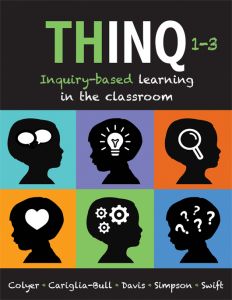
$66.00 - THINQ, Grades 1–3
Inquiry-Based Learning in the Classroom
Empower your first- to third-grade learners to think with inquiry-based learning. Using guided rubrics and tools, educators can realistically assess, evaluate, and integrate inquiry into their curriculum. Discover the specific needs and learning stages of elementary students as they explore, synthesize, consolidate, and reflect on their learning.
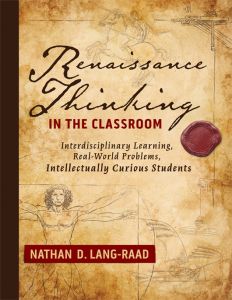
$62.00 - Renaissance Thinking in the Classroom
Interdisciplinary Learning, Real-World Problems, Intellectually Curious Students
Discover nine key thinking habits to cultivate in your K–12 students. This book helps educators explore habits, from fostering curiosity and taking risks to embracing lifelong learning. Author Nathan D. Lang-Raad dives into the challenge-based learning framework and how to integrate these habits with academic standards and 21st century skills.
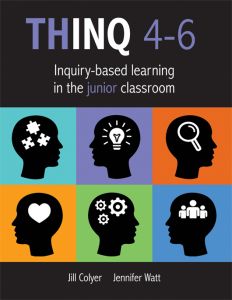
$66.00 - THINQ 4–6
Inquiry-Based Learning in the Junior Classroom
Empower your fourth- to sixth-grade learners to think with inquiry-based learning. Using guided rubrics and tools, teachers can realistically assess, evaluate, and integrate inquiry into their curriculum. Learn the specific needs and learning stages of students as they explore, synthesize, consolidate, and reflect on their learning.
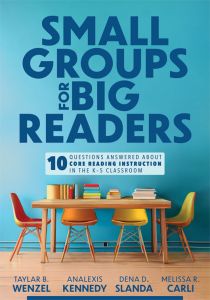
$55.50 - Small Groups for Big Readers
Ten Questions Answered About Core Reading Instruction in the K–5 Classroom
This book promotes small-group reading as a key tool for K–5 teachers, offering frameworks, videos, and text strategies. Teachers can differentiate instruction with evidence-based routines, creating a dynamic learning environment that nurtures readers and aligns whole-class instruction with small-group lessons.
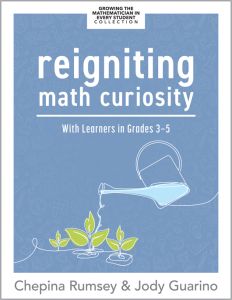
$66.00 - Reigniting Math Curiosity With Learners in Grades 3–5
Through questioning fostered by curiosity and active teacher support, students learn to construct mathematical arguments and justify their claims. This book also equips readers with tools and strategies to cultivate students’ mathematical curiosity, positive learning attitudes, and skill development.
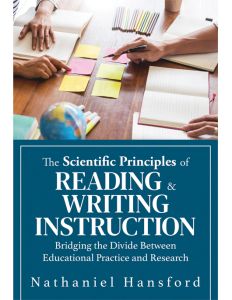
$62.00 - The Scientific Principles of Reading and Writing Instruction
Bridging the Divide Between Educational Practice and Research
Offering a neutral analysis of educational research, author Nathaniel Hansford provides a crash course on the science behind reading and writing instruction. This book empowers teachers to confidently make evidence-informed instructional decisions.
$66.00