
 CAN
CAN  US/Global
Authors
- Teaching for Transfer
A Guide for Designing Learning With Real-World Application
Empower K–12 learners to transfer their current knowledge to new contexts, navigate real-world problems, and more. This resource contains instructional strategies educators can use to build 21st century skills in learners and increase student engagement.
$62.00 - Teaching in a Competency-Based Elementary School
The Marzano Academies Model
Access your roadmap to competency-based education (CBE) success and discover essential teaching strategies from educators who have done this work. Learn how you too can positively impact student learning with this instructional framework.
$62.00 - Teaching in a Competency-Based Secondary School
The Marzano Academies Model
Marzano Resources presents a model of instruction for high school teachers that will aid in student learning, support individual growth, and foster community in competency-based education. Facilitators will use this definitive guide to implement research-based instructional strategy examples in the classroom.
$62.00 - Teaching Reading & Comprehension to English Learners, K–5
Address the language, literacy, and content instructional needs of English learners. This book will help raise achievement for ELs through new instructional strategies and assessment processes.
$55.50 - Teaching Reasoning
Activities and Games for the Classroom
Explore key reasoning skills, and uncover 12 research-based activities and games to help teach them to students.
$66.00 - Teaching Resilience and Responsibility in the Classroom: Up to the Challenge EdWebinar
December 5, 2024
In this webinar, Jay Jackson will teach educators how to use simple tools to foster deep and meaningful discussions about student self-awareness, integrity, purpose, passion, positivity, courage, commitment, and grit. This process will help students understand how they can be successful and happy by meeting challenges head-on.
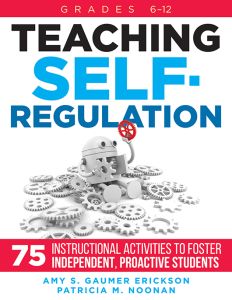
Free webinar - Teaching Self-Regulation
Seventy-Five Instructional Activities to Foster Independent, Proactive Students, Grades 6–12
Self-regulation fuels students to become socially and emotionally engaged, lifelong learners. With this timely resource you’ll gain 75 instructional activities to teach self-regulation in any secondary classroom. Ample teacher-tested tools and templates are also included to help you create authentic learning experiences and deliver effective feedback.
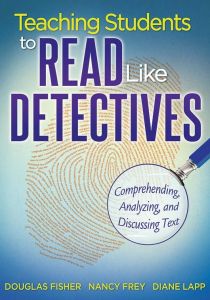
$62.00 - Teaching Students to Read Like Detectives
Comprehending, Analyzing, and Discussing Text
Explore the important relationship between text, learner, and learning, and gain an array of methods to establish critical literacy in a discussion-based classroom.
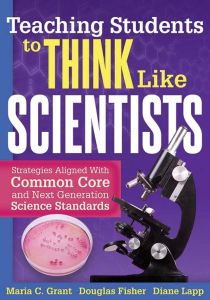
$55.50$47.00 - Teaching Students to Think Like Scientists
Strategies Aligned With Common Core and Next Generation Science Standards
Using these instructional methods, teachers of all disciplines will gain the tools needed to offer students a richer, lasting understanding of science.
$62.00 - Teaching Students to Use Artificial Intelligence Ethically (EdWeek Partnership Webinar)
December 9, 2024
Many of the concerns that educators have about student AI use involve students misrepresenting their learning and mastery by having these tools do work for them. In the Solution Tree Master Class: Educator AI, Paul explores ways that teachers can build classroom structures and culture that promote the ethical use of AI. As with any other critical skill, teachers need to become AI literate themselves and then guide students through the ways that generative AI tools can help them learn better, instead of taking them out of the learning process.
Free webinar