
 CAN
CAN  US/Global
Assessment
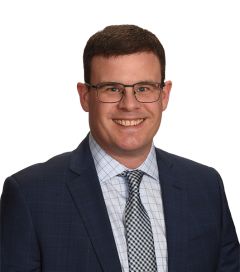
- Jonathan Ferris
Jonathan Ferris is a program coordinator at the University of the Fraser Valley in Abbotsford, British Columbia, where he oversees practicum placements for teacher candidates, supervises faculty mentors, and teaches courses on classroom management, professionalism, ethics, and teacher presence.
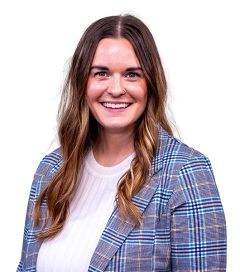
$0.00 - Bri Crook
Bri Crook most recently served as the instructional coach at Baxter Elementary in Baxter, Iowa. She has several years of experience in education at the elementary level and district level, also serving as the technology director.
$0.00 - Ryan Sikkes
Dr. Ryan Sikkes is an educational consultant and presenter with over 20 years’ worth of experience in teaching and administration in Canada’s Yukon Territory. He is passionate about supporting schools and systems in their efforts to improve assessment and grading practices.
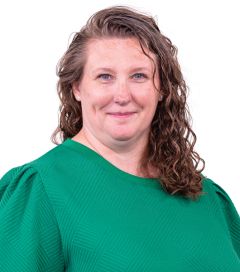
$0.00 - Jill Kind
Dr. Jill Kind is the director of learning and achievement for Osseo Area Schools in a diverse suburb of Minneapolis. Her areas of focus are curriculum, assessment and standards-based instruction, and grading at the secondary or system levels.
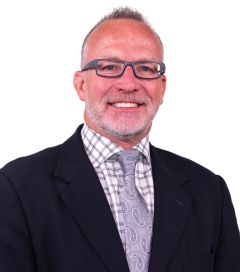
$0.00 - Tom Dodd
Tom Dodd, PhD, is a speaker and leader with over 30 years of experience in public education and higher education combined. He served as president of the Colorado Association of School Executives and as an International Baccalaureate® leader.
$0.00 - Assessment through a Canadian Lens: Equity and Impact
November 1, 2024
Effective assessment systems enable teachers and students to make informed decisions that drive learning forward. In this webinar, author Katie White outlines how to plan and implement self-assessment strategies that foster student growth across all grade levels. From setup to goal setting and celebration, participants will explore the link between thoughtful assessment design, evidence analysis, and responsive decision making, all through a Canadian perspective. Join us to reflect on your own assessment systems and discover ways to create equitable, meaningful learning for every student.
Free webinar - Karin K. Hess
Karin K. Hess, EdD, the creator of the Hess Cognitive Rigor Matrices, is an internationally recognized speaker and leader in developing practical approaches for using cognitive rigor and learning progressions in assessments. Since 1998, Karin has been working in schools as an elementary and middle school principal, district curriculum director, and classroom teacher.
$0.00 - Assessment Done Right: Building Hope, Efficacy, and Achievement in Schools EdWebinar
November 11, 2024
Join assessment architects Nicole Dimich, Cassandra Erkens, and Tom Schimmer to learn and explore how to use assessment to build hope and efficacy and ensure learning and achievement for both educators and students.
Free webinar - Teaching Resilience and Responsibility in the Classroom: Up to the Challenge EdWebinar
December 5, 2024
In this webinar, Jay Jackson will teach educators how to use simple tools to foster deep and meaningful discussions about student self-awareness, integrity, purpose, passion, positivity, courage, commitment, and grit. This process will help students understand how they can be successful and happy by meeting challenges head-on.
Free webinar - Teaching Students to Use Artificial Intelligence Ethically (EdWeek Partnership Webinar)
December 9, 2024
Many of the concerns that educators have about student AI use involve students misrepresenting their learning and mastery by having these tools do work for them. In the Solution Tree Master Class: Educator AI, Paul explores ways that teachers can build classroom structures and culture that promote the ethical use of AI. As with any other critical skill, teachers need to become AI literate themselves and then guide students through the ways that generative AI tools can help them learn better, instead of taking them out of the learning process.
Free webinar