

 US/Global
  CAN
CAN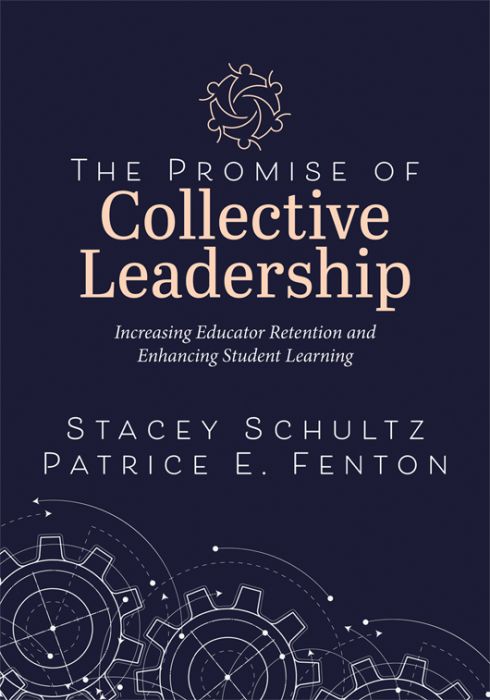
The Promise of Collective Leadership
Increasing Educator Retention and Enhancing Student Learning
The promise of collective leadership is within reach. This book provides a clear, practical process to activate teachers, students, and families as vital leaders. Build a vibrant culture of belonging, increase teacher retention, and achieve sustained school outcomes.
A framework to reflect, elevate, and value leadership
In an age of burnout, school leaders must share power. Authors Stacey Schultz and Patrice E. Fenton offer a practical guide to collective leadership, showing how to include teachers, students, and families as vital team members. This human-centered process helps leaders build trust, increase teacher retention, and initiate, sustain, and reap the benefits of positive outcomes through strong, collaborative leadership.
K–12 administrators, teacher leaders, and curriculum instructors can use this book to:
- Reorient their leadership style to promote collaborative innovation and group solutions
- Promote agency, accountability, and active contributions among all teammates
- Assign clear roles and tasks that capitalize on team members’ strengths and knowledge
- Build a culture of authenticity and belonging among students, teachers, and families
- Share personal knowledge and experience to empower colleagues and encourage growth
Related Topics
Diversity & EquityLeadershipSchool Improvement
Additional Information
“The Promise of Collective Leadership’s strengths are its practicality, accessibility, and equity focus. The personal narratives make the work relatable, while the REV framework is easy to remember and apply. The consistent blend of research and practical tools ensures readers have both the why and the how. The equity-centered approach, particularly the discussion of barriers for women and leaders of color, addresses an urgent need in education.”
“The Promise of Collective Leadership offers a timely and compelling framework for reimagining leadership in schools. Grounded in research and lived experience, this book centers belonging, agency, and shared responsibility in ways that will resonate deeply with educators seeking sustainable change. Schultz and Fenton provide practical tools and reflective practices that help school communities move from hierarchical structures to authentic collective leadership, ultimately strengthening educator retention and student outcomes. This is a valuable resource for district leaders, principals, and teacher leaders committed to building equitable, human-centered learning environments.”


